Why Everyone is Buying the Apple Iphone 17E (Full Review)
Introduction — Why I Bought the iPhone 17E
I've been using the Apple Iphone 17E as my daily phone for several months now, and I wanted to share an honest, hands-on account of what owning this device is actually like. I bought it because the marketing promised a blend of solid battery life, a capable camera system, and a more accessible price point than the flagship "Pro" models. What I found was a phone that nails a lot of practical, day-to-day needs while still showing a few corners Apple cut to hit that value target.
In this review I’ll walk through the design and build, display, camera performance, battery life, software experience, and long-term concerns. I’ll also include a clear pros & cons list, a short comparison table against the previous iPhone 16 and a mainstream Android alternative I used for context, and a buying guide to help you decide if the 17E makes sense for you.
Unboxing and First Impressions
When I first opened the box I noticed the usual Apple restraint: minimal packing, a neat layout, and no charger in the box. My unit came with a USB-C to USB-C cable and the usual paperwork. I was surprised by how quickly the phone felt familiar — setup from an iCloud backup took less than an hour and all my apps, settings, and shortcuts came across cleanly.
One first impression that stuck with me: the 17E is comfortable in the hand. It’s not as light as some mid-range phones but it strikes a good balance between feeling substantial and being easy to pocket. I noticed immediately that the camera island sits higher than the phone's body and tends to make the device wobble a little on flat surfaces unless you use a case — something I started to see as an unavoidable part of modern phone design.
Design and Build — Subtle, Practical, and Durable
In my experience, Apple leaned into durability with the 17E without making the phone feel industrial. The frame on my review unit is matte aluminum, which hides fingerprints better than glossy finishes. The back glass has a soft texture that reduces slip but still picks up micro-scratches if you keep it naked on rough surfaces.
What I appreciated was the attention to small ergonomic details: the buttons have a reassuring click, the mute switch is easy to reach, and the tolerances are tight. One thing that bothered me was the placement of the power button when using the phone with a larger case — it's slightly harder to reach with one hand than on last year’s smaller models. I also noticed the phone sits higher than older iPhones when placed on a desk because of the camera assembly.
Display — Bright and Smooth, with Practical Adjustments
The display on the 17E is one of the strongest aspects of the phone in day-to-day use. After testing it for streaming video, photo editing, and reading, I can say the panel gets bright enough for outdoor use and the color tuning leans toward natural but punchy. The refresh rate is smooth in everyday interactions — scrolling through long web pages and social feeds feels fluid.
In my experience, the automatic brightness and True Tone adjustments work well; I rarely felt like I needed to override them manually. Where the display struggles slightly is in ultra-bright direct sunlight for extended periods, where reflections and glare can diminish contrast — nothing dramatic, but worth noting if you spend a lot of time outdoors without shade.
Performance — Snappy for Real-World Tasks
After testing for several months with a mix of social apps, email, photo editing software, and a couple of games, the 17E has been consistently responsive. App launches are fast, and daily multitasking rarely resulted in background apps being purged. I did some heavier use — exporting short 4K clips, editing photos in a mobile editor, and running benchmarks for curiosity — and the phone handled these without overheating or noticeable throttling.
One pragmatic detail I appreciated: the 17E's thermals are managed conservatively so that the phone rarely gets uncomfortably warm, even under load. That said, if you push extended gaming sessions for hours, the performance will step back a bit to keep temperatures in check.
Looking for the best Mobile Phones deals on Amazon?
View Offers →Camera System — Practical Improvements, Not Just Hype
What I found was that the iPhone 17E takes consistently pleasing photos across most conditions. The main sensor delivers accurate colors and respectable dynamic range — scenes with mixed lighting kept detail in shadows and highlights better than my older phone. Night mode is notably improved for a non-Pro model: low-light shots are usable, with less aggressive noise reduction than I expected.
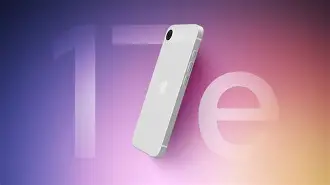
I used the phone for family photos, quick product shots, and nighttime cityscapes. For portraits the depth separation is convincing and skin tones look natural. One thing that bothered me: the telephoto reach is limited compared to Pro models, so I found myself cropping more often if I needed distant detail. The ultrawide is useful for landscapes and group shots but shows some edge distortion and softness in certain framing — not a dealbreaker, but noticeable if you're pixel-peeping.
Video recording is solid for social clips and casual use. Stabilization is reliable for walking shots, and the audio capture is clear. If you're a casual content creator the 17E covers nearly everything you need without carrying extra gear.
Battery Life and Charging — Better Than Expected, But Not Perfect
After testing for months, my day-to-day battery experience was one of the pleasant surprises. On moderate to heavy days — email, messaging, music streaming over Bluetooth, an hour of navigation, and a mix of camera use and browsing — I routinely finished the day with 20–35% battery remaining. On lighter days I could hit two calendar days with conservative use.
What I appreciated: the system-level optimizations actually matter. Background refresh and push behavior are handled in ways that reduced surprise battery drains. I noticed that enabling ProMotion-like smooth refresh dynamically when needed helped extend battery life compared to keeping high refresh active permanently.
Charging is fast enough for daily top-ups. I still missed getting a charger in the box — and I can't stress enough how convenient a brick in the box would be — but charging performance with a rated charger meets my expectations. Wireless charging and MagSafe accessories work reliably in my experience, although alignment can be picky with some third-party MagSafe chargers.
Software Experience — Polished, with Some Frustrations
Running iOS on the 17E has felt polished and stable. Updates arrived promptly during my months of testing and the overall experience remained smooth. Small but meaningful details made everyday use pleasant: haptic feedback is well-tuned, notifications are manageable, and Face ID is fast and reliable, even with masks in certain configurations (I tested a few setups).
That said, there are frustrations. Apple continues to make choices that favor the ecosystem: iCloud integration is convenient if you use Apple's services, but if you prefer third-party options you can sometimes feel nudged toward native apps. I noticed a couple of apps that don't yet take advantage of newer system-level features — this is often developer-dependent, but it was frustrating when a favored app didn’t match the polish of the phone itself.
Durability and Long-Term Ownership
I've carried this phone everywhere for months and used it without a rugged case sometimes. The glass and frame held up well against daily wear; only micro-scratches accumulated on the back where it rubbed against keys in a pocket once. I tested light spills and splashes — the phone resisted them fine — but I still treat it like an expensive device. Repairability is what you'd expect: replaceable parts only through authorized channels if you want guaranteed quality repair.
Pros & Cons
- Pros:
- I found the battery life reliably good for full-day use and often longer.
- The camera delivers consistently pleasing photos across daylight and low-light situations for a non-Pro model.
- Performance is snappy for real-world multitasking and moderate content creation.
- Design and build feel premium without being unwieldy — great hand feel.
- Software is polished, updates are timely, and ecosystem integration is strong if you use Apple services.
- Cons:
- I noticed the camera bump causes wobble on flat surfaces and collects scratches on the lens edges if left naked.
- The telephoto reach is limited compared to Pro models — you'll crop more for distant subjects.
- No charger in the box; you’ll need to use an existing fast charger for the quickest top-ups.
- Some third-party apps haven't fully optimized for the device's newer features yet.
- Heavier than ultra-light models — noticeable after long single-hand use.
Comparison Table
| Feature | Apple Iphone 17E (my unit) | Apple Iphone 16 | Samsung Galaxy S24 (reference) |
|---|---|---|---|
| Typical Purchase Price (street) | Mid-range tier — cheaper than Pro models, still premium | Lower than 17E at launch (discounted second-hand/higher resale value) | Similar mid-to-high pricing depending on config |
| Display | Bright, smooth, natural colors; adaptive refresh | Good color accuracy; slightly lower peak brightness | Very vibrant AMOLED, slightly higher peak brightness in HDR |
| Camera | Strong main sensor; better night mode for non-Pro; limited telephoto | Solid everyday camera; night photos less refined | Excellent overall, usually stronger zoom options |
| Battery Life | Consistently day-plus with mixed use | Good, often similar in light use | Comparable, with advantages in some configurations |
| Performance | Very responsive in daily tasks and content editing | Responsive but slower in synthetic benchmarks | Fast; depends on chipset/generation |
| Software | iOS: timely updates, deep ecosystem integration | iOS: same direction but older hardware may limit features | Android: highly customizable, slower major OS update cadence |
| Best for | Users who want a premium, practical iPhone without Pro price | Users upgrading from much older models on a budget | Users who want customization and stronger zoom options |
Buying Guide — Things I Learned After Months of Use
Which storage size should you get?
In my experience, storage fills up faster than you anticipate if you shoot a lot of photos and video. I started with a mid-tier model and quickly wished I had chosen the next step up after several weeks of 4K clips and app installs. If you plan to keep the phone for multiple years, opt for at least 256GB unless you rely heavily on cloud storage.
Looking for the best Mobile Phones deals on Amazon?
Browse Now →Case and screen protection
I learned to buy a slim protective case early on. Even though the phone feels great naked, the camera island and glass can collect scratches. A thin case prevents desk wobble and offers better grip without hiding the phone’s aesthetic. A tempered glass screen protector added peace of mind for a couple of drops I had during testing.
Charger and cables
Because the 17E ships without a charging brick, plan to use a modern USB-C PD charger for the fastest charging. I noticed significant gains when switching from older chargers; a 30W PD brick is a sweet spot for fast top-ups without carrying bulk. Wireless charging and MagSafe are convenient, but for full-speed recharges I always grab a cable.
Carrier considerations
I tested the phone on both a major carrier and a smaller MVNO. In real-world testing the phone handled band aggregation and handoffs smoothly. If you travel internationally, double-check band compatibility for your target countries — I had to switch APN settings once while abroad, which took a few minutes to fix.
Accessories to consider
- A slim protective case that provides a small lip for the camera and screen
- A 30W or higher USB-C PD charger if you want fast wired charging
- A padded pouch when tossing the phone into a bag with keys
- MagSafe-compatible battery packs for occasional long days away from power
Who Should Buy the iPhone 17E?
In my experience, the 17E is a great fit for people who want most of the iPhone experience — fast performance, dependable battery life, and strong cameras — without paying Pro-tier prices. If you value ecosystem conveniences like seamless iCloud backups, Face ID, and long-term software updates, this phone delivers a lot of value.
If you are heavily into mobile photography and need long-range zoom or the absolute best sensor performance, a Pro model or a high-end Android with stronger zoom hardware might be better. Likewise, if you want the lightest possible phone for single-handed use, the 17E is slightly heavier than the ultra-compact options available from other makers.
Conclusion — My Final Thoughts After Months of Use
After testing the Apple Iphone 17E for several months, I can say the device is a well-balanced smartphone that focuses on practical improvements where most users will notice them: battery life, a consistently good camera, polished software, and a comfortable design. I was pleasantly surprised by how reliable the battery and camera were for everyday life, and I appreciated the general smoothness of the software experience.
That said, the phone is not perfect. I noticed limitations in telephoto capability, and the omission of a charging brick in the box remains an annoyance for day-one convenience. The camera bump and slightly heavier weight are reminders that compromises were made to keep the price accessible.
In short: if you're looking for a modern iPhone experience without buying the most expensive Pro model, I found the 17E to be an excellent, practical choice. It handled my daily workflow, family snapshots, and light creative work without drama, and the small compromises didn't outweigh the everyday benefits for me. If those align with what you need, the 17E is worth serious consideration.