Spec Battle: Meze Audio Strada vs Audio Technica Ath Adx7000 — Is It Worth Upgrading?
When buyers consider high-end headphones, two names that often surface in discussions among audiophiles and professionals are Meze and Audio-Technica. The Meze Audio Strada and the Audio-Technica ATH-ADX7000 target listeners who want more than a casual listening experience: improved resolution, refined timbral balance, and a premium build. This article takes an objective, use-case-driven look at both models—comparing design, sound signature, comfort, amplification needs, real-world performance, and value—so readers can decide whether an upgrade is warranted and which model fits their priorities.
Introduction: Who this comparison is for
This comparison is aimed at discerning listeners who already own competent headphones (mid-fi or entry-level high-end) and are thinking about stepping up. It is also suitable for audio professionals who need reliable reference cans for editing or mixing in less-than-ideal rooms, and for serious hobbyists weighing the trade-offs between character, neutrality, and ergonomics. Key concerns covered here include soundstage and imaging, low-end control, treble texture, build quality, comfort for long sessions, and pairing considerations with DACs/amplifiers.

Quick overview of each model
Meze Audio Strada (positioned by Meze as a modern, musical headphone) emphasizes a combination of refined midrange presence and luxurious materials. The brand has earned praise for marrying aesthetic design with robust sound, and the Strada continues that tradition—aiming to attract listeners who want both character and clarity.
Audio-Technica ATH-ADX7000 represents Audio-Technica’s pursuit of technical refinement: transparent presentation, tight bass control, and an analytical edge suitable for critical listening. Audio-Technica often designs products with professional use in mind, and the ADX7000 follows that lineage with an emphasis on accuracy and consistency.
Design and build quality
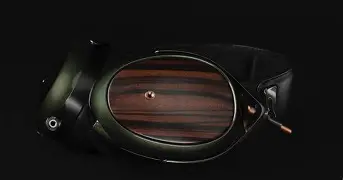
Both headphones occupy the premium segment, but they approach design differently. Meze typically leans into artisanal cues—wood or high-grade metal accents, tactile finishes, and a visible emphasis on aesthetics. The Strada follows that philosophy: fit-and-finish aim to feel premium, with thoughtfully engineered headband mechanics for even pressure distribution.
Audio-Technica’s build language is more utilitarian and restrained. The ADX7000 favors durable engineering and serviceability. Materials are robust, and the design prioritizes long-term wearability and reliability—qualities professionals appreciate when headphones are used in studios or for extended critical listening sessions.
Comfort and ergonomics
Comfort is often a deciding factor for buyers who spend hours with headphones. Meze traditionally tunes clamping force and earpad comfort to feel plush and slightly more relaxed, which makes the Strada a strong candidate for long listening sessions that prioritize enjoyment. Ear cups are shaped to distribute pressure, and padding materials aim to reduce hotspots.
Audio-Technica’s approach tends to be more neutral and practical: secure clamping, slightly firmer ear pads in some cases, and a fit designed to keep the cans steady during movement. This makes the ADX7000 a reliable studio companion where positional stability and isolation from movement matter.
Sound signature and performance
Sound is where listeners diverge most. The Meze Strada is described by many owners as musical—attention to midrange timbre, lush vocal presentation, and a coherent, engaging overall tonal balance. This makes it especially appealing for vocal-centric genres (singer-songwriter, jazz, acoustic), streaming, and casual critical listening where fatigue is undesirable.
The Audio-Technica ATH-ADX7000 tilts toward a more analytical presentation. It favors low distortion, tight and well-defined bass, and a treble that is detailed without being overtly fatiguing. This character suits critical listening, mixing and mastering in acoustic settings where revealing detail and neutrality matter. Users who prioritize accuracy over coloration will likely prefer the ADX7000.
Find top-rated Audio & Headphones products at great prices.
Shop Amazon →Bass
Both models deliver competent bass, but they diverge in character. The Strada tends to offer warmer, slightly more generous bass that emphasizes musicality and impact. The ADX7000 focuses on control and definition—bass notes are taut and quicker to decay, which aids precision in monitoring applications.
Mids
Mids are a strength for the Strada—vocal presence and instrument body come forward with natural weight. The ADX7000 presents mids with linearity and detail, which can make textures and microdynamics more apparent for professional tasks.
Treble and imaging
The ADX7000 often extends further into the upper registers with a crystalline sense of air and micro-detail, improving imaging and separation. The Strada’s treble is smoother by design, favoring a cohesive soundstage with less emphasis on extreme top-end sparkle.
Amplification and source pairing
Upgrading to either headphone often requires evaluating the rest of the chain. Both models will benefit from quality sources: a high-resolution DAC, a low-noise headphone amplifier, or a balanced output for maximal dynamics. The Strada’s slightly more forgiving signature pairs well with a broad range of sources, including high-quality portable DAPs and desktop setups. The ADX7000 tends to reveal upstream weaknesses more readily—listeners should plan to match it with a clean, high-current amp and a neutral DAC for best results.
Real-world use cases
- Critical listening / mixing: The ADX7000 is better suited thanks to tight bass, linear mids, and revealing treble.
- Casual and long-session listening: Strada's musical midrange and comfort make it an excellent companion for longer, enjoyable listening sessions.
- Home hi-fi and stereo enjoyment: Both work well; choose Strada for a more emotional presentation, ADX7000 for analytical clarity.
- On-the-go or portable use: Neither is particularly travel-oriented; Strada pairs more flexibly with portable sources, but both are best used at home.
Pros & cons
Meze Audio Strada
- Pros: Engaging midrange and vocal presentation; comfortable for long sessions; premium build and aesthetic appeal; forgiving pairing with a wide range of sources.
- Cons: May lack the ultra-refined top-end detail some professionals want; bass warmth can mask micro-detail for critical listening; not optimized for portable use.
Audio-Technica ATH-ADX7000
- Pros: Neutral, revealing presentation; tight and well-controlled bass; strong imaging and detail retrieval—good for professional tasks; durable, practical build.
- Cons: Less forgiving of poor recordings; can sound clinical to listeners who prefer musical coloration; may require a higher-quality amp/DAC to show its best.
Comparison table
| Category | Meze Audio Strada | Audio-Technica ATH-ADX7000 |
|---|---|---|
| Overall character | Musical, warm midrange, listener-friendly | Neutral, analytical, reference-oriented |
| Soundstage & imaging | Coherent and immersive | Precise and well-defined |
| Bass | Full-bodied, more impactful | Tight, quick, controlled |
| Mids | Forward, natural, musical | Linear, detailed, revealing |
| Treble | Smoother, less emphasis on air | Extended, detailed, airy |
| Comfort (long sessions) | Very comfortable and forgiving | Comfortable but more utilitarian |
| Build & aesthetic | Premium, design-forward | Durable, professional, understated |
| Source pairing | Flexible; pairs well with mid-tier gear | Best with high-quality DAC/amp |
| Ideal user | Music lovers seeking emotional engagement | Professionals and analytical listeners |
Buying guide: What buyers typically care about
When considering an upgrade, buyers typically think in terms of measurable improvements (resolution, imaging), practical concerns (comfort, durability), and how the new headphones will integrate into their existing gear. Below are the main points to weigh before deciding.
1. Intended use
Define primary use. If the goal is accurate monitoring for mixing or mastering, lean toward the model that emphasizes neutrality. For enjoyable, extended listening sessions that preserve musicality, choose the model that offers a more engaging midrange and forgiving tonal balance.
2. Source and amplification
High-end headphones often reveal what the source cannot deliver. Review the rest of the chain: a neutral, revealing headphone paired with a weak DAC/amp can sound thin. If budget allows, allocate part of the upgrade to a reliable DAC/headphone amplifier or use high-quality balanced outputs when available.
3. Comfort and session length
Consider typical listening duration. Headphones that feel great for 30–60 minutes may not be comfortable for marathon sessions. Look for evenly distributed clamping force, breathable ear pads, and a headband design that avoids pressure points.
4. Room and environment
Open and airy headphones (or those with wide soundstages) perform differently depending on ambient noise and room acoustics. If the listener is in a noisy environment, a more controlled, isolated model or closed-back alternative may be more useful than either of these two.
Shop the latest Audio & Headphones picks on Amazon.
Browse Now →5. Music preferences
Certain genres benefit from different tuning. Electronic and orchestral music may highlight macro-dynamics and imaging; vocal jazz and acoustic performances benefit from natural midrange reproduction. Match headphone character to dominant listening habits.
6. Future-proofing and resale
Premium headphones maintain value when they suit a broad set of use cases. If resale or long-term flexibility is a concern, favor models with a neutral character, robust serviceability, and brand support—or choose the musical option if the buyer prefers an immediate emotional win.
7. Try-before-you-buy
Whenever possible, audition both models with familiar tracks. Small differences in treble texture or midrange bloom can make or break enjoyment, and individual sensitivity to treble or bass varies widely.
Cost vs. value: Is the upgrade worth it?
Worth is personal: it depends on what the current headphones lack. Upgrading to the Meze Strada or the ATH-ADX7000 will likely yield meaningful improvements in clarity, refinement, and build quality compared with mid-level gear. For everyday listeners, the Strada provides immediate emotional and comfort gains. For professionals or analytically minded listeners, the ADX7000 provides precision and a more faithful portrayal of recorded material.
If the cost is substantial relative to how often the headphones will be used, it is prudent to consider whether incremental upgrades to source equipment (DAC/amp) or room treatment might produce a similar perceptual improvement. Buyers who rarely listen critically or who spend most audio time on mobile devices may not see value commensurate with a high-end upgrade.
Recommendations based on common buyer profiles
- The casual audiophile: Prioritize comfort and musicality—Meze Strada is likely the more immediately gratifying choice.
- The music producer / mastering engineer: Prioritize neutrality and detail—Audio-Technica ATH-ADX7000 aligns better with professional needs.
- The streaming/remote worker who listens during the day: Consider comfort and forgiving tunings; Strada may reduce listening fatigue.
- The collector or gear enthusiast: If the goal is technical exploration and pairing experiments, the ADX7000 will reward careful system matching.
Conclusion
The decision to upgrade to the Meze Audio Strada or the Audio-Technica ATH-ADX7000 ultimately hinges on what the listener values most. The Strada offers an engaging, comfortable, and musically satisfying experience that enhances enjoyment across genres and long sessions. The ADX7000 emphasizes analytical fidelity, tight bass, and revealing treble—qualities that benefit professional work and critical listening.
For those upgrading from general-purpose or entry-level high-fidelity headphones, either model can be a meaningful step up. If one seeks immediate musical gratification and comfort, the Strada is a compelling choice. If the priority is accuracy, resolution, and equipment transparency, the ATH-ADX7000 is the better match. The prudent path for serious buyers is to audition both with familiar material, account for source equipment and amplification needs, and choose the option that best aligns with listening habits and the intended use case.