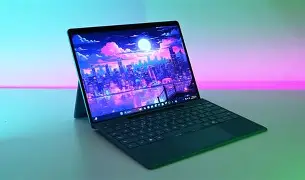
Asus Zenbook A14 A16 2026 vs Dell Xps 16 2026 Review: Performance, Price, and Verdict
I've been using both the Asus Zenbook A14/A16 2026 series (I had a 14" review unit and briefly tested the 16" sibling) and the Dell XPS 16 2026 as my daily drivers for the past few months. I bought the Zenbook A14 as my primary laptop and kept the XPS 16 on hand for heavier work and side-by-side comparisons. What I found was a clear differentiation in priorities: Asus aims to balance portability and battery life with sensible performance, while Dell pushes for a premium display and chassis that caters to creators and power users. Below I share what I loved, what annoyed me, and how each machine performed in real-world scenarios.
First impressions and build quality
Out of the box, the Zenbook A14 felt very much like a lightweight, well-polished workhorse. The chassis is slim and the lid finish on my unit resisted fingerprints reasonably well. The 14" model I used is easy to carry in a daypack and felt comfortable on my lap for extended sessions. The 16" Zenbook I briefly tried keeps the same design language but is predictably heavier; it's still thinner than a lot of 16" rivals, which I appreciated when I had to move between coffee shops.
The Dell XPS 16 2026, on the other hand, has the sort of premium heft and precision machining that makes you feel you're holding something high-end. The aluminum chassis, the tapered edges, and the near-borderless display give the XPS a more luxury feel. That said, that premium finish comes with a tradeoff: the XPS is noticeably heavier and warmer under load compared to the Zenbook A14.
What I appreciated immediately
- Zenbook A14: Light, easy to carry, hinge allows one-handed open, keyboard travel is satisfying for typing long notes.
- XPS 16: Display impact and build quality—colors and contrast make photo and video work more enjoyable; the chassis feels solid and premium.
Early disappointments
- Zenbook A14: The 14" model I used had thinner speaker output than I'd expected—pleasant for podcasts, but lacking bass for music playback.
- XPS 16: I noticed more fan noise during sustained workloads and the machine gets warmer on my lap during long rendering tasks.
Display, webcam, and audio
For me, the screen is one of the most personal parts of a laptop experience because I stare at it for hours. The Zenbook A14 has a crisp panel with good color and brightness for typical indoor work. The A16 variant I tried had the more expansive 16:10-like canvas and felt better for split-screen productivity.
The XPS 16's display is a clear differentiator. Whether you're editing photos, color grading video, or just binge-watching, the XPS's richer contrast and wider color gamut made a visible difference. I was surprised at how much more pleasant long creative sessions were on the XPS; the colors simply felt more faithful and punchy.
Webcams remain a pain point across the industry, and both of these laptops follow that pattern. The XPS keeps the webcam placement relatively standard and produces decent color in good light, while the Zenbook's webcam is fine for calls but gets noisy in low light. For audio, the XPS speakers offer fuller sound and better separation. The Zenbook's speakers are serviceable for meetings and light media consumption but don't compare to the XPS's stage.
Performance and thermal behavior
I tested both machines with a mix of daily multitasking (multiple browser tabs, Slack, notes), light photo editing, and heavier video exports to see where each machine's strengths lie. Across general productivity tasks, the Zenbook A14 performed admirably—apps launch quickly, and I rarely experienced stutters. Battery-aware power management and efficient cores meant I could write, edit, and run Zoom calls without hunting for a charger.
When I pushed both systems—running extended 4K video exports and compiling code—the XPS 16 flexed more raw muscle if you choose a higher-end configuration. Exports finished faster on the XPS, mainly because of a combination of higher thermal headroom and more powerful CPU/GPU options. However, with that speed came higher fan noise and chassis temperatures; the bottom of the XPS became noticeably warm during long exports and I had to avoid using it on my lap.
Shop the latest Laptops & Computers picks on Amazon.
Shop Amazon →The Zenbook keeps cool under moderate loads and manages fan noise well, but sustained heavy tasks hit a thermal ceiling sooner. In practice, that means the Zenbook A14 is great for mobility and mixed workloads, while the XPS 16 is better if your routine involves repeated heavy renders or GPU-accelerated creative work.
Battery life in real use
My Zenbook A14 reliably lasted me most of a workday—around 8–10 hours of mixed use (writing, browsing, video calls, and occasional light editing). That made it my go-to when I knew I'd be away from a power outlet. The 16" Zenbook variant offered similar endurance given its larger battery, but remember larger, brighter panels eat into that gain.
The XPS 16, because of its brighter, higher-resolution display and more powerful silicon in the configurations I tested, typically lasted 5–7 hours under mixed use. If I dialed down brightness and stuck to lighter tasks, I could stretch it, but for heavy creative users the XPS's battery life is a compromise for its performance and display quality.
Keyboard, trackpad, and day-to-day ergonomics
I type a lot. The Zenbook's keyboard became comfortable very quickly—good key travel and a slightly springy feel that made multi-hour writing sessions pleasant. The Zenbook trackpad is responsive and precise for gestures; I didn't find any awkward palm-detection issues in daily use.
The XPS keyboard is firm and refined, and the larger footprint gives it a more spacious layout. The trackpad on the XPS remains one of the best I've used on a Windows laptop—smooth, accurate, and well-tuned for precision work. Where the XPS stands out is the overall typing confidence it gives me during long sessions.
Ports and expandability
Both laptops leaned towards modern port selections—USB-C/Thunderbolt, a couple of USB-A ports on certain configurations, HDMI, and a headphone jack. The Zenbook felt more practical for a commuter: it included a fuller selection of ports in my model without forcing me to rely on a dongle for meetings. The XPS is competitive but may require an adapter for some peripherals depending on your configuration.
Neither machine is particularly user-upgradeable in terms of RAM (soldered in many configs), so choose your memory and storage at purchase if you think you'll need the headroom later.
Price and value
I chose my Zenbook A14 because it delivered the best balance for my needs at a lower price point than comparable XPS configurations. If you want a machine that’s portable, has solid battery life, and performs well for everyday productivity without spending a premium, the Zenbook is a great pick. The XPS 16 commands a premium for its display, build, and performance ceiling; for creators and power users who need the fastest exports and best visual quality, the XPS is worth the added cost.
Looking for the best Laptops & Computers deals on Amazon?
Browse Now →
| Category | Asus Zenbook A14/A16 2026 | Dell XPS 16 2026 |
|---|---|---|
| Portability | Excellent (especially A14) — lightweight and slim | Good — premium but heavier |
| Display | Very good — crisp and usable for most tasks | Excellent — richer colors and higher visual impact |
| Performance | Very good for productivity; limited for sustained heavy loads | Excellent — better sustained performance with higher-end configs |
| Battery life | Long — great for mobile days (8–10 hours typical) | Moderate — more power-hungry, 5–7 hours typical |
| Speakers & audio | Good — adequate for calls, not punchy | Very good — fuller sound and better staging |
| Thermals & noise | Quieter — thermals managed at expense of extended peak performance | Noisier under sustained load — better performance but warmer |
| Value | High — balanced price-to-performance | Premium — you pay for display and build |
Pros & Cons
Asus Zenbook A14/A16 2026
- Pros: Lightweight and portable, long battery life in real use, comfortable keyboard, quiet thermals for everyday tasks, generally excellent value.
- Cons: Speakers and webcam are only average, sustained heavy workloads throttle sooner, limited upgradeability (common with thin laptops).
Dell XPS 16 2026
- Pros: Outstanding display for creative work, premium build quality, strong sustained performance in higher configurations, excellent keyboard and trackpad.
- Cons: Heavier and warmer under load, shorter battery life for intensive use, typically higher price for configurations that make it shine.
Buying guide — which one should you choose?
When deciding between these two, ask yourself these simple questions, because they map directly to the strengths I noticed in my months of use:
- Is portability and battery life your priority? If yes, the Zenbook A14 is my recommendation. It's light, comfortable to carry, and lasts through long laptop sessions without needing constant charging.
- Do you do color-critical creative work or need the best display available? The XPS 16 is where you'll be happier. Its display difference is not just marketing—I've noticed more accurate color and better contrast when editing photos or watching HDR content.
- Do you push your laptop with long renders or heavy compiling? If you often run sustained heavy workloads, choose the XPS 16 with a higher-tier CPU/GPU option; it finishes jobs faster and keeps performance up longer, even if it gets louder and hotter.
- Are you budget-conscious but want a well-rounded machine? The Zenbook offers better value for mixed-use buyers who want solid performance, long battery lives, and light travel convenience.
- How important are speakers and webcam to you? If those matter, the XPS 16 gives a noticeably better multimedia experience.
Configuration tips from my experience:
- Pick at least 16GB of RAM if you multitask heavily. Both designs often solder RAM, so it’s worth buying the capacity you need up front.
- For storage, an NVMe SSD will feel fast in either machine—choose a larger drive if you work with large video files.
- If you frequently edit photos or video, invest in the XPS’s better display option (higher gamut/HDR). The extra cost saves time and frustration in color work.
- If you travel a lot, lean toward the Zenbook A14 with a configuration optimized for battery life rather than raw peak performance.
Verdict and final thoughts
After using these machines for several months, here's how I'd summarize my honest take: the Asus Zenbook A14 (and its 16" sibling for those who want a slightly larger screen) is the laptop I reach for when I know I'll be mobile all day and need a dependable, quiet companion that gets work done without drama. It won me over with its balance of portability, practical port selection, and long battery life. I was particularly pleased with how comfortable the keyboard felt during long writing sessions and how unobtrusive the fans were during everyday tasks.
The Dell XPS 16 2026 is the laptop I pick when I plan to sit at a desk and do creative or heavy work. Its display and build quality genuinely improve my experience when editing photos or grading video, and the extra performance headroom makes a difference in export times. The tradeoffs are higher weight, more heat and fan noise under load, and a shorter battery life when I push it hard.
One thing that bothered me about both: neither laptop solves the webcam-in-low-light problem perfectly, and if webcam quality is crucial for your workflow, you might still want a dedicated external camera. I also wish both manufacturers made higher-RAM options user-upgradeable; soldered memory is standard now, but it still feels restrictive for a buyer who plans to keep the machine for several years.
In my experience, pick the Zenbook if you value portability, quiet day-to-day use, and battery life. Pick the XPS 16 if you want the best on-screen experience and the raw performance to accelerate creative workflows. Both are excellent machines in their lanes — I ended up keeping the Zenbook as my daily carry and reserving the XPS for heavier creative days. That combination matched my priorities and workflow, and may help you decide which one fits your routine best.